Charity tax rules are changing: keep calm and stay compliant
Insight
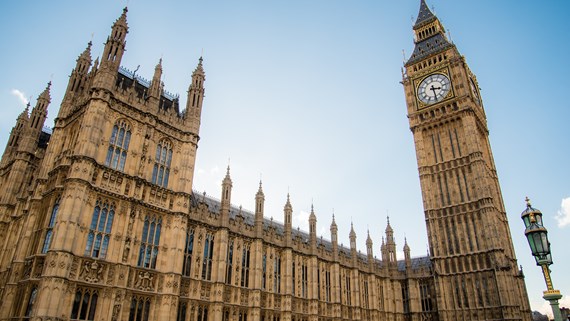
The government is introducing charity tax reforms through the Finance Bill 2026, currently progressing through Parliament. Most changes are expected to take effect from April 2026, with further updates to HMRC guidance likely later in the year.
This article explains what is changing and what it means in practice for charities.
The government has been clear that these reforms are intended to strengthen compliance and protect confidence in the charity sector, rather than reduce the availability of charity tax reliefs.
What is changing under the charity tax reforms?
The reforms focus on four areas:
- How legacy income is treated for tax purposes.
- A widening of the tainted charity donations rules.
- Changes to the rules on approved charitable investments.
- Sanctioning charities that fail to meet HMRC’s compliance requirements.
Each is outlined below.
Legacy income: brought within tax rules
Where a charity incurs non charitable expenditure (broadly, spending that does not further its charitable purposes), HMRC can withdraw tax relief on an equivalent amount of the charity’s attributable income and gains. This already includes most forms of income, but legacies (specific gifts left to a charity in a will) are currently excluded.
The Finance Bill 2026 proposes to include legacy income within attributable income, bringing it into line with other sources of income, including residuary gifts under wills.
The practical effect is that if a charity applies legacy income to a non charitable purpose, HMRC will be able to impose a tax charge on that income.
For well governed charities, this should not be a significant change. Trustees are already required by charity law to apply all charitable funds, including legacies, in furtherance of the charity’s purposes. The reform introduces a tax consequence where those duties are not met.
Some charities have expressed concern that tax charges could arise if legacy funds are not applied to charitable purposes within an appropriate period, and that the changes may increase administrative and compliance demands, particularly for smaller organisations. The government has confirmed that charities will remain free to accumulate donations and that no deadline will be imposed for spending legacy funds. It has also said that, mindful of the burden for smaller charities, it has sought to design the new rules in a fair and proportionate way.
To manage risk, charities should continue to maintain records demonstrating that expenditure either furthers charitable purposes or otherwise qualifies as charitable expenditure under HMRC guidance.
Tainted charity donations: a new wider, more objective test
The tainted charity donations rules are designed to prevent abuse of charitable tax reliefs where donations are linked to arrangements that benefit the donor or a connected person.
The policy objective remains unchanged, but the scope of the rules is being expanded.
At present, a donation is tainted if:
- the donation and the arrangement are mutually dependent; this is where it is reasonable to assume that the donation and the arrangement would not have been made independently of each other; and
- the main purpose of the arrangement is to give the donor (or a connected person) a financial advantage.
The reforms make two key changes:
- Focus on outcome, not motive: the rules move away from assessing a donor’s intention and instead look at the outcome of the arrangement, making the test more objective.
- Broader concept of benefit: the requirement for a 'financial advantage' is replaced with a test of 'financial assistance', covering loans, guarantees, indemnities and investments (whether made on arm’s length terms or not).
As a result, more arrangements are likely to fall within the rules. The government has recognised the need for detailed guidance on how HMRC will apply these new rules, but no publication date has yet been confirmed.
Approved charitable investments: a single purpose test
Certain investments qualify as approved charitable investments and are not treated as non charitable expenditure for tax purposes. There are currently 12 recognised categories, 11 of which relate to investments in specific asset classes or securities.
Under the existing rules, only the Type 12 'catch- all' category of investment is subject to a test that the investment is made for the benefit of the charity and not for tax avoidance. The reforms extend this 'allowable purpose' test to all categories.
Under this test, to qualify as an approved charitable investment, it must be reasonable to conclude that the investment is both:
- made for the sole purpose of benefiting the charity, or for that purpose and any incidental or ancillary purposes; and
- not made for the avoidance of tax by the charity or any other person.
For most charities, this should have little impact as trustees will make investment decisions for the charity's benefit as a matter of course and, quite apart from the tax rules, are required to do so as a matter of charity law. However, non standard investments, including social or mission related investments, may attract closer scrutiny and should be carefully documented.
HMRC intends to publish updated guidance but does not plan to introduce an advance clearance process.
Fit and proper persons: compliance under the spotlight
Charities are only entitled to tax reliefs if they meet HMRC’s definition of a charity for tax purposes. This includes meeting the management condition, which requires trustees and senior managers to be fit and proper persons. This term is not defined in legislation, so it falls to HMRC to interpret its meaning in accordance with its published guidance, which was last updated in 2017.
HMRC plans to update its guidance so that individuals who repeatedly fail to meet tax obligations, such as failing to submit returns when required, may be treated as not fit and proper. This could put a charity’s entitlement to key reliefs, including Gift Aid, income and corporation tax reliefs, at risk.
Although originally expected to apply from April 2026, HMRC has indicated that these changes are likely to take effect later in 2026.
An incremental shift, not a wholesale change
Taken together, these reforms represent an incremental tightening of the charity tax framework, rather than a fundamental change in approach. Many charities will see little direct impact.
Trustees and senior leaders should nevertheless ensure they understand the changes, keep an eye on emerging HMRC guidance, review internal processes, and discuss with their finance teams and advisers what additional steps to take to remain compliant.
This publication is a general summary of the law. It should not replace legal advice tailored to your specific circumstances.
© Farrer & Co LLP, March 2026