High Court sheds light on development rights of light
Insight
A recent case in the High Court, Cooper & Ors v Ludgate House Ltd [2025] EWHC 1724 (Ch), has provided important insight into the treatment of rights of light. The decision has been eagerly awaited as it is unusual for these types of case to reach the courts, with the last judgment in 2020.
The decision helps to clarify some key points of uncertainty:
- What methods will be used by the courts to measure loss of light?
- What remedies are available to claimants where their right to light is infringed?
- How will damages be assessed?
Background of Cooper & Ors v Ludgate House Ltd
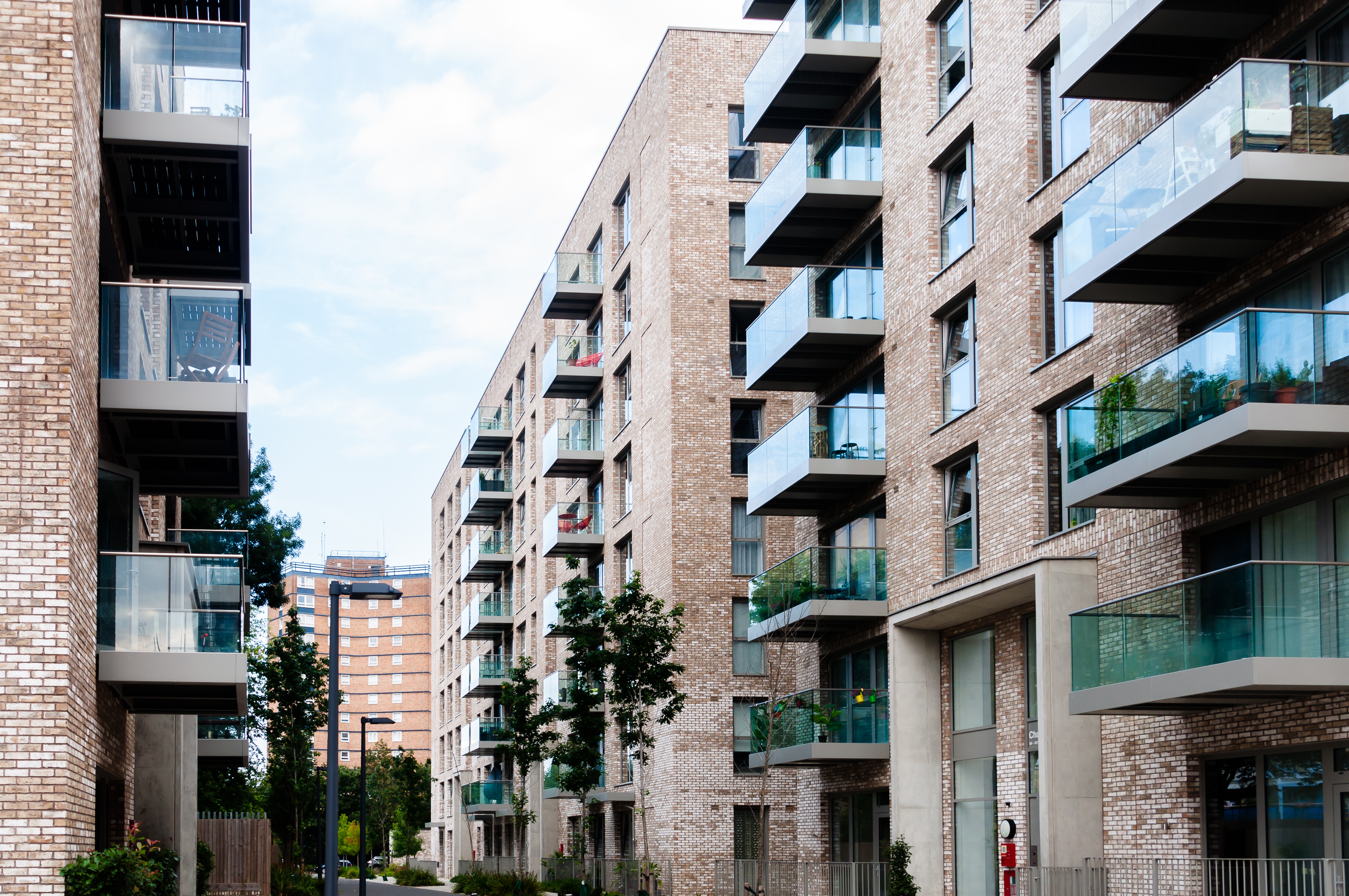
The case concerned the 19-storey Arbor building at Bankside Yards in London, completed in 2022 by developer Native Land. Two residents of the neighbouring Bankside Lofts claimed it reduced the light into their flats, whose windows faced the Arbor building.
The tests: methods for assessment of loss of light
It is important to remember that the right to light is to receive sufficient natural light so that the space can be used for its ordinary purpose, not a right to all of the light that passes over the servient tenement.
The traditional Waldram method (which has been used since the 1920s) involves looking at the visibility of the sky from a reference point at desk height, to assess how much of the room can see at least 0.2% of the sky. More complex modern methods involve looking at radiance via computerised data, and how much light is received considering factors such as the building's design, weather conditions and reflected light.
It is argued by some (including the developer in this case) that Radiance methods are more realistic and up to date models of how spaces are experienced.
In deciding the case, the court relied heavily on the traditional Waldram analysis, rejecting the Radiance methods as too subjective except in marginal cases, and reinforcing that Waldram is "an established, universally applied, agreed standard."
Decision: injunction or damages?
Ultimately, the court determined that there was an actionable interference with the claimants' rights of light, but it awarded damages to the claimants rather than an injunction requiring the Arbor building to be demolished.
The court took into account the particular facts of the case, including the conduct of the developer: the developer had written to the neighbouring flat owners to offer compensation. Other affected neighbours had already settled for payments from the developer too, which supported the argument that damages provided adequate compensation. The court also considered the environmental assessment of the Arbor building (being net zero) and the public interest in retaining the development; demolition would amount to an oppressive waste of resources, and damages were considered an adequate remedy compared to the huge cost involved in demolishing the building.
It is important to note the further specific context here too; the local authority had used its statutory powers under section 203 of the Housing and Planning Act 2016 to acquire other land within the wider development and transfer it back to the developer. Where these statutory powers are exercised, any neighbouring owners' rights to light are left in existence but become incapable of protection; they are entitled to statutory compensation only and are prevented from applying for an injunction to protect their rights of light. The court took into consideration that, if the Arbor building was to be demolished, the developer could simply seek section 203 protection for the Arbor land and then rebuild the office block in the same way again afterwards, unhampered by the neighbouring owners' rights of light.
Damages assessment
The court held that, rather than book value or diminution in value alone, "negotiating damages" were the appropriate measure of damages, ie by considering what the claimants would reasonably be willing to accept in order to give up the enjoyment value of their light. A negotiation between the parties would not have been a ransom exercise; in the hypothetical negotiation, the parties would know that the flat owners could apply for an injunction but also that the developer could seek section 203 protection and remove the injunction risk.
Previously, damages have been awarded on the basis of one third of the profits enjoyed by the developer. However, here the court judged that this sum was too high, and that the hypothetical release fee would be 12.5% of the increase in development value. This sum was then split between the flats, taking into consideration the amounts that would have been attributable to other neighbours. However, the court took a pragmatic approach and reduced the figures further, on the basis that that they would otherwise be out of proportion with the value of the flats.
A total of £850,000 in damages was awarded (£500,000 to one claimant, and £350,000 to the other). These were substantial sums when compared to the value of the properties and more than the claimants would have received for the diminution in the value of their properties. They are the largest damages payout for rights of light obstructions to date.
It will be interesting to see how the court's decision impacts neighbouring owners' expectations in rights of light negotiations and the market for rights of light insurance cover for developers. On the one hand, the use of the Waldram method and the high damages award might be expected to push up neighbouring owners' expectations and the pricing of insurance policies for developers. However, the threat of an injunction usually increases rights of light settlement figures, so the court's decision not to grant an injunction (and the court's finding that it has a broad discretion whether to do so) may result in lower settlement figures and more insurers being prepared to enter the market and provide rights of light insurance cover to developers.
Key takeaways
The Waldram method has been approved again as the industry standard. This may bring greater certainty in future cases and reassure some developers that more complex and expensive methods are not always needed to assess risk, particularly in straightforward cases.
Developers will be reassured to know that injunctions, whilst still a primary remedy, are not the default remedy. However, using the Waldram method and the "negotiation damages" methodology are beneficial to neighbouring owners. Each case will be decided on its facts; the courts have wide discretion and damages may still be substantial.
Crucially, these disputes can of course significantly delay developments, so developers would be wise to consider potential rights of light claims in the early stages of development.
This publication is a general summary of the law. It should not replace legal advice tailored to your specific circumstances.
© Farrer & Co LLP, December 2025