Preparing for the worst: a health and safety incident checklist
Insight
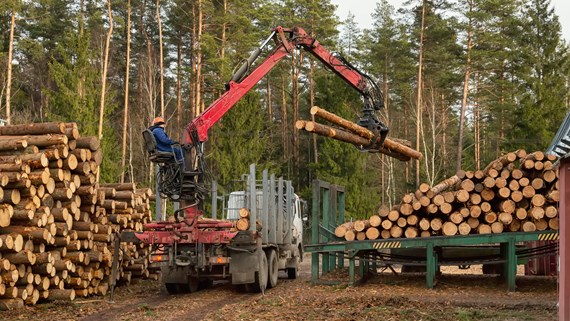
Agriculture, forestry and fishing remain among Britain’s most hazardous sectors: according to the Health and Safety Executive (HSE), in the last 10 years almost one person a week has died as a direct result of work in the agriculture sector, and many more have been seriously injured.
As a result, the HSE’s latest annual release underlines the continuing need for robust systems and records – especially in high-risk environments common to rural estates, such as timber operations. Having a health and safety policy in place before any incident occurs ensures that there are clear procedures to reduce the risk of an incident occurring and, if there is one, facilitates a swift, coordinated response to protect people and comply with legal obligations. This will help protect the estate from potential claims, as well as its reputation more widely.
How to create an effective emergency plan for rural estates
If a health and safety related incident occurs, a clearly set out emergency plan should be readily accessible to those who need it. It goes without saying that in a high-stress situation people are not always able to think clearly, so having clear guidance readily available will be helpful. The guide might cover such points as immediate practical steps, regulatory considerations and relevant legislation.
Immediate practical steps
Assist: call the emergency services if necessary, provide first aid if qualified and it is safe to do so, and contact next of kin promptly using up-to-date contacts. Staff must know where to find emergency contact details and how to describe all site locations precisely. This information can be difficult to recall or locate under stress, and especially difficult if the incident occurs in a remote location, away from any roads or clear landmarks.
Secure: take steps to ensure that the scene is as safe as possible to prevent further harm and preserve evidence. Access should be restricted with areas cordoned off as necessary, something most estates will already be well-equipped to do, whether with temporary fencing or other available resources. When making a report to the HSE, you may need to describe what has been done to secure the site and ensure the area is safe for those giving assistance.
Attend: consider sending a senior representative to hospital to support the injured party and family.
Regulatory considerations
Emergency plan: your emergency plan should identify parties you will need to notify if an incident occurs (emergency services and next of kin), as well as setting out any internal escalation within your own organisation. It should also include other key third parties that will need to be notified, such as insurers, solicitors, and health and safety consultants.
Insurers: after notifying emergency services and families, contact your insurers or broker promptly. They will guide your next steps, and proceeding without their involvement may invalidate your insurance cover.
Solicitors: it is advisable to seek legal advice in the event of a significant incident. Obtaining advice early will help you work out how to structure internal notes and interviews to preserve legal privilege, reducing the risk of unnecessary disclosure in future regulatory processes. It is important to check whether insurers have a preferred firm and how legal costs will be covered. Employees may also require separate legal representation.
Preservation: secure relevant evidence and records. Retain policies, risk assessments, meeting minutes, training records, maintenance logs, and supervision notes.
HSE: consider whether the incident is reportable to the HSE under the Reporting of Injuries, Diseases, Dangerous Occurrences Regulations (RIDDOR). An incident will be reportable if it results in death (the death of any person from a work-related incident must be reported), or severe injuries, such as fractures, or serious burns. Certain near misses, or ‘dangerous occurrences’ must also be reported – for full information see the HSE RIDDOR website.
Preparation: with your appointed professionals, take time to prepare for any interviews held by the police or HSE. It is often possible to ask for questions in advance of an interview, and parties should consider whether to request the submission of a written statement instead of an interview (which may enable a more considered response).
Relevant legislation and how estates can be liable
Rural estates, as both landowners and employers, carry a high risk of liability:
Occupiers’ liability: as landowners, estates owe a duty of care to their lawful visitors under the Occupiers’ Liability Act 1957, as well as to trespassers, under the Occupiers’ Liability Act 1984. An estate must ensure its visitors are reasonably safe for the permitted purpose of their visit. Under the 1984 Act, where an estate knows of a danger (such as a hidden mine shaft), expects trespassing near it, and the risk is one against which it is reasonable to offer some protection (warning signs or fencing), the estate must take steps to offer that protection. Breach of either duty may result in civil liability, usually paying damages and/or compensation.
Employer liability: estates owe a duty of care to their employees and non-employees (like contractors), under the Health and Safety at Work etc. Act 1974 and must “so far as is reasonably practicable” supply a safe workplace, including, for example, supplying safe systems, information, instruction, training, and supervision. Breaching this duty is likely to be investigated by the HSE, and can result in criminal liability, including financial penalties and custodial sentences. Rural estates are generally well aware, for instance, of their potential liability under this legislation in respect of tree safety and the need for regular risk assessment and remediation works.
Preparing rural estates for a health and safety incident
The key message is to plan for an incident before it occurs. Consider the steps you need to take and the information required to ensure the information is readily available and the team are confident about what to do in the event of a serious incident. This will include:
Communication: are next of kin details up-to-date, would key staff know how to contact the families of regular contractors/employees? Where is that information held and how can it be accessed quickly? Do staff members know who will have responsibility following an accident and how to contact them in an emergency?
Risk management plans and records: are these up-to-date and easily accessible? Is there a maintained health and safety policy (mandatory for workplaces with over five employees), and does everyone know where to find it and how to implement it?
Third parties: ensure you have the key information to hand (and that those who may need it know where to find it), including contract details and policy numbers for your insurers, solicitors, and relevant consultants.
Delegation: although you may delegate health and safety work to competent advisors, legal responsibility will remain with the estate. The estate must, therefore, actively manage any delegation: arrange regular catch-ups and ensure contractors visit the estate regularly and speak to staff. Update contractors with any changes to the operations carried out on site.
Training and maintenance: ensure staff are adequately trained to fulfil their duties safely and keep log books and other evidence of training given. Incidents frequently involve machinery and being able to prove that it was appropriately maintained, and staff had been properly trained on its use, will assist an estate enormously in any investigation.
RIDDOR: ensure the team is familiar with the reporting requirements and that both accidents and near misses are correctly reported.
Media: bear in mind that any incident may generate media attention and consider having a media plan in place in advance, setting out who will deal with inquiries.
If you do not already have these arrangements in place and review them regularly, now is the time to address any gaps and update information before an incident occurs.
This article is part of our Rural Estates Newsletter 2026, click here to read the full edition.
This publication is a general summary of the law. It should not replace legal advice tailored to your specific circumstances.
© Farrer & Co LLP, February 2026