Listed buildings: romance, risk and reality
Insight
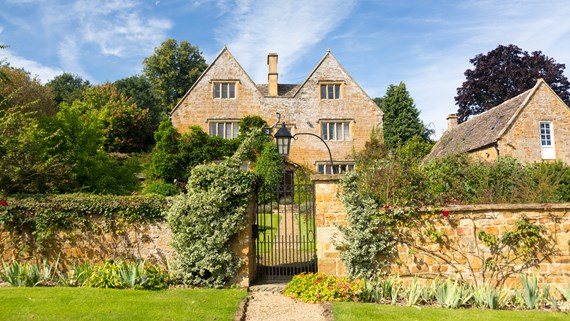
Evelyn Waugh described English country houses as the nation's "chief national artistic achievement". They are prized not only for their architectural merit, but also for the layers of history they embody.
Yet for all the romance, owners of listed buildings are frequently entangled in legal and practical difficulties – it is rare to encounter a listed building that has not, at some point, been altered without the necessary consent. Whether it is a relatively modest internal change or a substantial structural intervention, unauthorised changes can cause problems for both sellers and buyers.
When is Listed Building Consent required?
The Planning (Listed Buildings and Conservation Areas) Act 1990 (1990 Act) provides that consent is required for any works to a listed building which would affect its character as a building of special architectural or historic interest. The requirement is both broad and subjective – and often misunderstood.
Consent is required not just for changes to the exterior, but also for changes to internal features such as staircases, historic plasterwork and windows, which may also be protected.
Not all works will require consent, but determining where the line falls can be complex. Early engagement with a specialist surveyor or heritage consultant is therefore strongly recommended.
Consequences of unauthorised works
The consequences of carrying out unauthorised works can be severe – it is a criminal offence under the 1990 Act, and owners, leaseholders and contractors can all be liable.
Unlike ordinary planning breaches, which generally become immune from enforcement after 10 years (or four years if the works were completed before April 2024) there is no limitation period for listed building enforcement, meaning that unauthorised works remain actionable indefinitely, at least in theory.
While prosecutions are selective, recent cases demonstrate local authorities' willingness to pursue them. In 2025, Bath Council prosecuted the tenant of a Grade I listed building and their builder for unauthorised work, imposing fines totalling £190,000.
In addition to prosecution, local authorities may also require reinstatement of historic fabric or reversal of inappropriate alterations. The cost of remediation can be substantial, particularly where specialist materials or craftsmanship are required.
Impact on buying and selling
Unauthorised works frequently come to light during the purchase of a listed building. While buyers will not inherit criminal liability for works carried out by previous owners, they remain exposed to future enforcement, which can jeopardise transactions.
Buyers will often take out indemnity insurance to protect against the risk and costs of enforcement (and satisfy lenders' requirements), but these policies have significant limitations. They merely offer financial cover if specific enforcement action occurs, and typically contain strict exclusions which invalidate cover if the local authority is approached or becomes aware of the breach due to the actions of the owner. This creates a trap for unwary owners who wish to undertake further works: making a fresh application for consent may invalidate the very policy on which they rely.
If the unauthorised works are significant, or the new owner wishes to carry out further changes, insurance may not be sufficient. A better approach may be to work with heritage and planning consultants who can assist with applications to obtain retrospective consent. Owners contemplating a sale of their homes should also consider regularising breaches before marketing their properties.
Local authorities are often pragmatic in their approach to historic breaches where applicants are transparent, cooperative and professionally advised. A proactive and well-prepared application for retrospective consent is likely to result in a better outcome than trying to defend an enforcement action. Seeking to regularise the position may also prove a preferable approach emotionally, rather than remaining exposed to enforcement indefinitely – particularly if the breach was carried out by a previous owner.
If specialists identify works for which retrospective consent is unlikely to be given, the cost of reinstating any such unauthorised elements can be assessed and used to advise whether the price should be reduced. Any reduction should reflect the additional risks being taken on by the buyer and will allow the buyer to enter into the purchase with their eyes open.
Preserving the past for the future
For owners and buyers alike, the message is clear: engage early with specialists, do not underestimate the scope of listed building control or the risks of ignoring it, and treat these buildings not merely as assets, but as inheritances held in trust for future generations.
This publication is a general summary of the law. It should not replace legal advice tailored to your specific circumstances.
© Farrer & Co LLP, April 2026