The Museums Association Code of Ethics 2025: what's new?
Insight
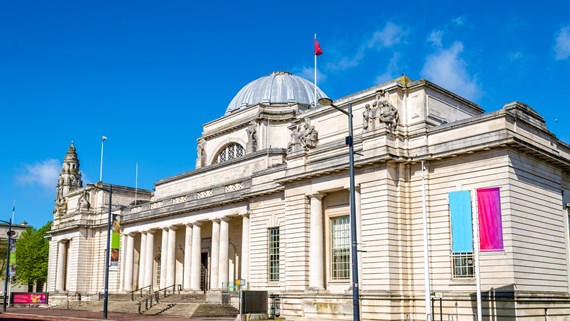
Farrer & Co had the privilege of attending the October 2025 annual conference for the Museums Association (MA) – the country's leading membership organisation for cultural bodies. The MA has nearly 2,000 institutional members, so the conference was a fantastic opportunity to meet and exchange ideas with colleagues from across the sector, as well as attend a series of highly engaging talks and workshops.
Perhaps the most significant outcome came from the MA's AGM (which took place during the conference), when the membership approved a revised Code of Ethics with a 91% majority. The MA's Code of Ethics is the authoritative framework for ethical practice in the sector to which member institutions are expected to adhere. The approval and subsequent implementation of the revised Code was the culmination of an immense organisational exercise: the Code had last been updated in 2014 –2015, and the MA engaged a working body in the summer of 2023 to start work and embark on a sector-wide consultation.
With the decade gap between Code revisions, the latest version is a more ambitious and comprehensive update to its predecessor. It aims to address the pressing social and policy issues that pose challenges to the sector today.
The Code is now built around three core principles requiring museums to be:
- equitable and inclusive;
- transparent and accountable; and
- responsible and sustainable.
As one MA report on the revised Code observed:
"Last revised in 2014, the document required updating to take into account the significant changes that have taken place since then, within the museum and gallery sector and across society as a whole. Eleven years ago, the climate crisis still felt to many like a remote threat rather than the very real emergency it is today; the worldwide anti-racism movements of 2020, highlighting the structural nature of racism, had yet to take place; and conversations around the legacies of colonialism and slavery in the UK’s museums – although recognised as necessary and long-overdue – were not happening at scale. Meanwhile, emerging digital technologies such as generative AI were still in their infancy."
Some key themes from the revised Code are as follows:
- EDI: the new Code incorporates more nuanced language around equality, now urging institutions to "embrace an approach that is anti-discriminatory, anti-racist and anti-ableist".
- Artificial intelligence (AI): with the advent of AI, the Code stresses the need to "be responsible in the use of AI and be transparent with the public about its use in the work of the museum"; and to "thoroughly and proactively assess the risks and benefits of emerging technologies with input from the whole organisation".
- Decolonisation and repatriation: the revised Code engages with other key areas that have become increasingly prominent over the last decade. Museums are now expected to embed decolonisation principles into their work and adopt a "proactive and positive approach" to repatriation. The previous Code's firm line on financially motivated disposals, and on regarding collections as financial assets, is maintained.
- Ethical partnering: museums are encouraged to build "open and constructive" relationships with partner organisations and funders to foster trust and cultivate collaboration. They are also encouraged to strive to secure funding from "ethical sources that align with the values of the organisation and serve the best interests of communities".
- The climate crisis: there is, however, a clear steer away from pursuing certain relationships. The Code endorses a "transition away from sponsorship from organisations involved with environmental harm (including fossil fuels), human rights abuses, and other sponsorship that does not align with the values of the museum". This is framed as part of a general expectation that museums will consider climate impacts and social responsibility in all decision making and manage collections for the long term for the benefit of current and future generations.
Overall, the new Code reflects the shift in cultural, social and political trends over the past 10 years. given the fact that our cultural institutions often feature prominently in public debates on these issues, it is understandable that the MA (having consulted with its members) has sought to embed fresh values within its Code and strengthen its policies.
The revised Code takes a relatively progressive line in a number of areas, and it will be interesting to see how museums negotiate adherence to the Code alongside other legal frameworks.
Tensions may, for example, arise regarding collections management: the Code encourages an "open, proactive and positive" attitude to repatriation of cultural property; at the same time, institutions may be constrained by their governing documents, policies or other legal obligations, or may reasonably form the view that pursuing repatriation is not appropriate in a particular case.
Similarly, while the Code has taken a strong line on moving away from the fossil fuel industry, many museums facing funding shortfalls and operating deficits will need to consider carefully the benefits of accepting funding from certain funders against alignment with purposes, stakeholder views and reputational risk. Charitable museums may find it helpful to consider the Charity Commission's guidance on Accepting, refusing and returning donations (aspects of which apply by analogy) when considering these questions.
In a previous article we wrote about opportunities for UK museums and galleries to expand into the UAE following the relaxation of various legal and bureaucratic barriers. Given the key role that culture plays in fostering international collaboration and dialogue, it is to be hoped that the new Code will be interpreted in a way that supports such overseas projects and enables organisations to approach questions of values and community in a suitably expansive way.
The MA expects its members to implement the Code's guidelines, but acknowledges that its requirements may not fully align with other legal obligations to which museums are subject. As always, good decision-making (including keeping careful records of key decisions) will continue to be key for all museums as they seek to embed and reflect the new Code in their governance.
The MA's new Code of Ethics is clearly an ambitious, robust and – judging by the AGM vote – internally popular framework that seeks to reflect prevailing social and policy trends in the sector. The question of implementation and compliance, in the face of existing legal and commercial factors, will undoubtedly throw up challenges. As long-standing advisers to the sector, we are well placed to provide nuanced, informed assistance to institutions seeking to navigate their legal and regulatory obligations successfully.
This publication is a general summary of the law. It should not replace legal advice tailored to your specific circumstances.
© Farrer & Co LLP, February 2026