Employment Rights Bill: surprise amendments from the House of Lords
Blog
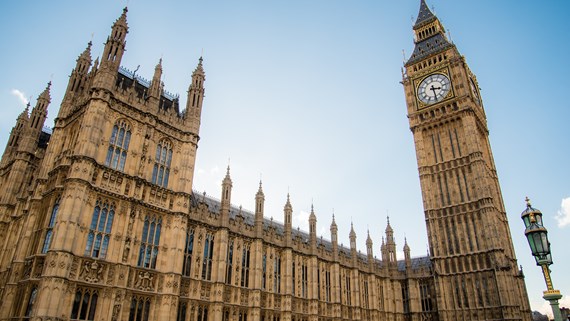
A few weeks ago, I reported that the Government had introduced several significant amendments to the Employment Rights Bill, affecting fire and rehire, bereavement leave and non-disclosure agreements. For more detail, see: An eleventh-hour shake-up to the Employment Rights Bill: what employers need to know.
What I didn’t mention at the time is that several non-Government amendments had also been proposed by members of the House of Lords. Such amendments rarely succeed without Government backing; however, in a surprising turn of events a number of changes have been voted through by the Lords. If retained, they could substantially reshape key provisions of the Bill. Whether they survive the Bill’s return to the House of Commons in September, though, remains to be seen.
What amendments have been agreed?
The House of Lords has recently voted through several opposition-proposed amendments to the Employment Rights Bill during its report stage in July 2025. Here are the key changes that were approved:
• Unfair dismissal: in probably the most significant change, the House of Lords voted to reduce the qualifying period for unfair dismissal from two years to six months. This is in contrast to the Government’s Manifesto position to make unfair dismissal a day one right, with an "initial period of employment" for certain types of dismissal.
• Right to request guaranteed hours: instead of a implementing a duty on employers to offer a guaranteed hours contract to eligible workers, the House of Lords has amended this to make it a right to request a guaranteed contract.
• Notice of shift cancellations: the House of Lords has added a definition of "short notice" (when payment for cancellations will be triggered), so that employers will be exempt from paying employees for cancelled shifts if the cancellation is made with at least 48 hours' notice.
• Trade union reform: the Lords agreed an amendment to reinstate the 50% threshold requirement for industrial action to be voted on by a trade union. They also voted to provide that new members of a union will contribute to the political fund only if they have actively chosen to do so.
• Right to be accompanied: the Lords voted to expand the categories of people who may accompany employees at disciplinary and grievance hearings to include other "professional bodies" (to be confirmed in future regulations).
• Special constables’ leave: special constables will be entitled to time off from their regular employment to carry out police duties.
Will these amendments make it into law?
While these proposed changes to the Employment Rights Bill may appear significant at first glance, it is highly unlikely they will survive into the final version of the Bill. Given the prominence the Government gave to employment reform in its Manifesto and its strong parliamentary majority, most if not all of the amendments are expected to be rejected, with the Bill likely to revert to its original form before it receives Royal Assent (as outlined in our overview: New Employment Rights Bill – Labour’s plans for employment law).
Following the summer recess, the Bill may enter a phase of "Parliamentary ping pong", where it is passed back and forth between the House of Commons and the House of Lords to agree on final wording. While the Lords may seek clarification or assurances as part of this process, convention dictates that they will not normally obstruct Manifesto commitments and it is expected that, ultimately, they will allow the Government’s proposals to pass. Quite how long this takes is another question!
Additional Government commitments
As part of the recent debate on the Employment Rights Bill, the Government confirmed several interesting developments. In particular, it announced plans to consult “in due course” on options for reform of non-compete clauses in employment contracts. This follows a proposal by the previous government to limit the length of non-compete clauses to three months, which was never implemented.
The Government also committed to holding a consultation in 2026 on employment support for unpaid carers. In addition, it will initiate a whistleblowing in defence review and carry out a review on potential amendments to the list of those entitled to time off for public duties. Finally, the Government has promised to provide further details on its proposals to restrict the use of non-disclosure agreements (NDAs) in cases involving harassment and discrimination (explained in more detail here).
This publication is a general summary of the law. It should not replace legal advice tailored to your specific circumstances.
© Farrer & Co LLP, July 2025