Shut that gate! Shut that bull!
Insight
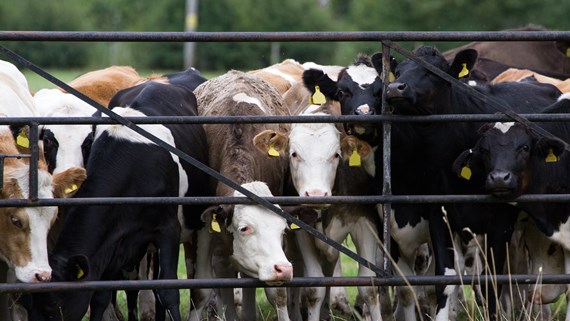
It would be anachronistic to imagine that Farmer Isaac Parkin in Withnail and I had the Animals Act 1971 (Animals Act) on his mind when adjuring Withnail to shut the gate (the film is set at the end of 1969), but he was rightly mindful of his responsibilities, as a keeper of livestock, to members of the public.
The Animals Act sets out the general legal framework governing liability for damage caused by animals. This can include damage to property, crops, or personal injury. Determining liability under the Animals Act involves careful consideration of who is the animal’s ‘keeper’, whether the animal is classified as a ‘dangerous species’, and if certain statutory conditions are met.
Who is liable when animals cause damage?
Who counts as a ‘keeper’?
First, determine who the ‘keeper’ is. Broadly, that is whoever owns the animal or has it in their possession, and often that is obvious. However, it will also include someone exercising a degree of control, such as a paid dog-walker.
In the case of wild animals causing damage to land or people, as they have no keeper, there will usually be no liability under the Animals Act. Finally, and although now slightly archaic in its terminology, those ‘heads of households’ in which under-16s own animals should take note that they (not the child) will be responsible as the animal’s keeper.
What is a ‘dangerous species’?
Secondly, is the animal a ‘dangerous species’? A dangerous species for these purposes is a species not commonly domesticated in the British Islands, and one which, when fully grown, is likely to cause severe damage unless restrained. (It is perhaps no coincidence that in 1969 two Australians had bought Christian the Lion from Harrods’ pet department.) Horses, cattle, sheep and dogs would generally not be considered dangerous species.
When does strict liability apply?
The Animals Act will generally impose strict liability on the animal’s keeper – ie automatic liability without having to prove fault on the keeper’s part – where the animal is a dangerous species. Strict liability for non-dangerous species will only apply if certain tests are met.
The first of these is that the damage is of a kind which the animal, unless restrained, was likely to cause, or which, if caused by the animal, was likely to be severe. In Kite v Napp, this test was met when a dog attacked a woman carrying a bag, because the dog had previously attacked people carrying bags. It was also met in the peculiar case of Kane v McKenna, where a cockerel which had previously killed a goat, caused a child significant injury. In both cases, the attacks were considered ‘likely’ because of the respective animals’ previous behaviour.
The second test is that the likelihood of the damage is due to characteristics which are not normally found in the species, or which are not found except at particular times or in particular circumstances. In Mirvahedy v Henley, the claimant was injured after the car he was driving was hit by the defendant’s horse. The horse had pushed over a wooden fence and an electric wire fence and bolted from its field after being frightened. This test was met here because, when a horse is sufficiently alarmed or panicked – ie in those particular circumstances – it is a known characteristic of a horse to bolt and cover long distances.
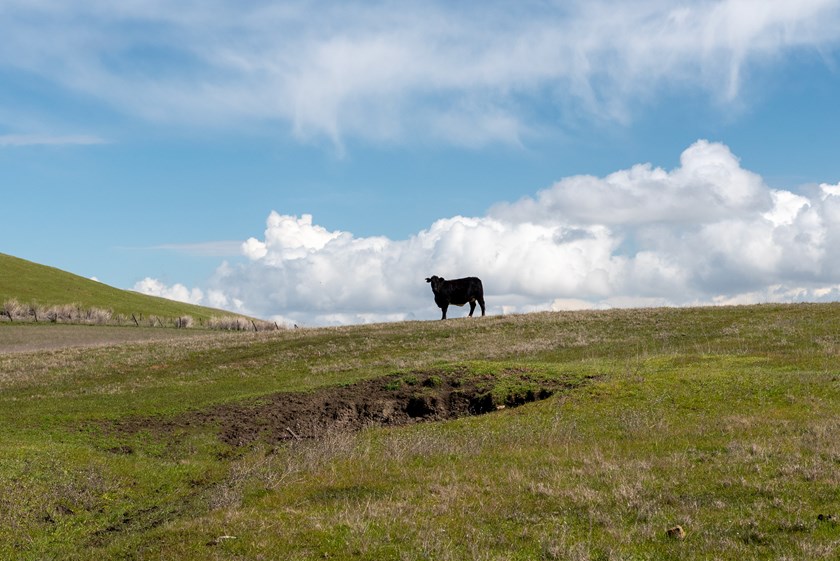
Finally, the relevant characteristics of the animal must have been known to the keeper (or known at any time to a person who had charge of the animal). This point was examined in the now-famous case of McKenny v Foster, where the claimant’s Vauxhall Vectra collided with the Fosters’ cow on the A614 Bridlington bypass, resulting in the claimant sustaining serious injuries and the death of her passenger (and the cow). In what was described by the judge as the “least implausible” explanation, it appeared that the cow, agitated at having been separated from its calf, had jumped a six-bar gate and cleared a 12-foot cattle grid to get back to it. The claim failed because the defendants were held to have no knowledge of this characteristic of the cow, namely that it was “an extraordinarily long jumper”.
When negligence may still apply
Although the above discusses where strict liability will apply for non-dangerous animals under the Animals Act, keepers of animals should remember that even where the test for strict liability is not met – in the case of the Fosters’ long-jumping cow, for example – liability may still arise under the tort of negligence, a separate cause of action. Unlike a claim under the Animals Act, pursuing a claim for negligence could lead to an assessment of fault. In McKenny v Foster, the negligence claim was rejected on the grounds that the fencing and livestock management practices were found to be sound and the Fosters were not at fault.
The other side of the fence
Landowners and farmers are only one side of the issue. On the other side of the fence (so to speak), are the dog-walking public. They too, are keepers under the Animals Act, and they too can be liable under it. Managing access to land where both livestock and dog-walkers are present has always posed a challenge, which has only become greater since Covid-19.
Dog ownership has surged by over 3m owners since 2020. Many ‘pandemic puppies’ were inadequately socialised or trained. At the same time, the lockdowns stimulated an increase in the public’s appetite for country walks.
The government has recognised the risks this brings, with new laws coming into force on 18 March this year. The maximum fine for livestock worrying (which has been updated to include camelids such as llamas and alpacas) has increased from £1,000 to an unlimited fine. Police also now have greater powers of investigation and can detain dogs that pose a threat.
In the case of designated Access Land, where the public are accessing it with dogs, the dogs must be on ‘short leads’ between 1 March and 31 July, or when they are in the vicinity of livestock. A ‘short lead’ means a fixed length of not more than two metres (this is set out in the Countryside and Rights of Way Act 2000 (CROW)). Landowners can also temporarily restrict access to Access Land to people without dogs for certain reasons, such as during lambing.
Herding the key points
- It goes without saying that livestock should be contained by adequate, stockproof fencing that is routinely inspected and maintained. Take extra precautions with known fence-breakers.
- Where landowners permit animals belonging to third parties to occupy land under grazing agreements, think carefully about where responsibility for fencing lies and how that might affect liability if stock escape. Common law presumes that the owner of livestock should fence them in, but grazing licences often place fencing obligations on the landowner. Be clear about who is responsible for what, and ensure that is reflected not only in the agreement but also in practice on the ground.
- Place signs informing third parties where livestock is located, especially if close to public footpaths or if certain animals are known to pose a risk to people or other animals.
- Where practical (and affordable), fencing along the length of footpaths is an effective way of ensuring the public cannot stray off path and interact with livestock.
- Check what your insurance policy says about liability for damage or injury caused by livestock, and check again how it works if you have third party stock on your land.
- If appropriate, ensure that third party graziers have their own insurance.
- Where you have Access Land, consider temporary dog-walking restrictions if appropriate. Posting copies of relevant sections of CROW and the countryside code to support and explain may also be useful.
- Where you manage land which public rights of way pass, consider temporary signage to remind dog-walkers of their responsibilities.
Just as livestock keepers are responsible to the public, so too is the public responsible to livestock owners.
This article is part of our Rural Estates Newsletter 2026, click here to read the full edition.
This publication is a general summary of the law. It should not replace legal advice tailored to your specific circumstances.
© Farrer & Co LLP, February 2026