Neighbour issues: responsibility for boundary features
Insight
Determining the exact position of a legal boundary – and who is responsible for maintaining features on it – can rely on various factors and principles. Some that are particularly relevant to rural properties include:
‘T’ marks (the spot)
'T' marks, often found on title and conveyancing plans, are indicators of boundary ownership and maintenance responsibilities. A 'T' mark on one side of a boundary signifies that the landowner on that side is responsible for maintaining that particular boundary feature (eg a fence, wall, or hedge). An 'H' mark (two 'T's facing each other across the boundary) indicates shared responsibility. These symbols are vital for clarity, helping to prevent disputes.
Ad Medium Filum
This is a rebuttable presumption that an owner of land adjoining a public or private highway, or a non-tidal river or stream, also owns the soil of the adjoining highway or the bed of the adjoining river or stream up to its centre line.
This principle helps to define property limits where deeds may be ambiguous, thereby reducing the potential for boundary disputes between neighbours.
Key takeaway: Title plans and deeds may not be determinative. T marks and legal principles such as ad medium filum may provide clarity on boundary ownership and maintenance.
Waterflow
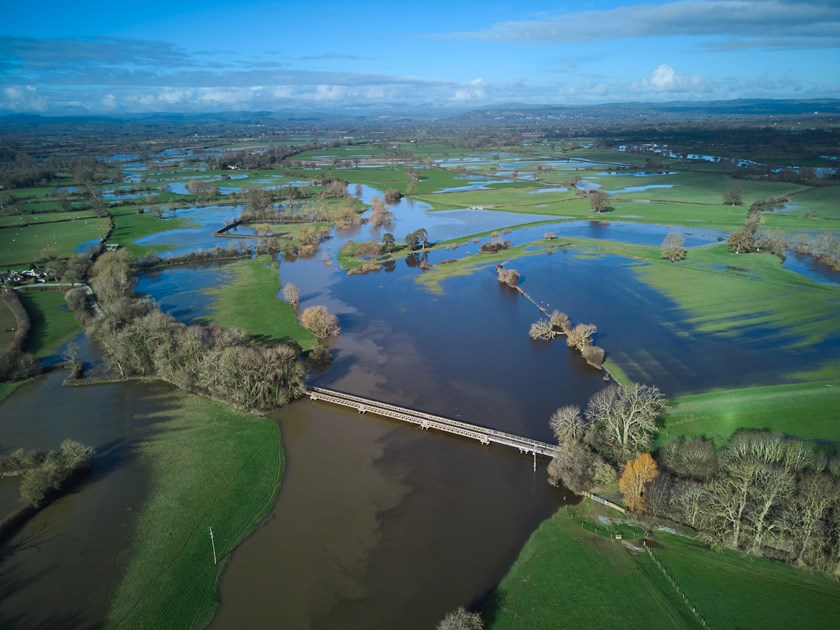
An upstream landowner is entitled to a reasonable discharge of water onto a neighbour's land, but they must not artificially increase the flow or discharge it in a concentrated form. If a new building, development or landscaping alters the natural flow of water and causes damage to a neighbouring property, the affected party may have a claim in nuisance. It is therefore important to maintain natural watercourses and consider actions that could exacerbate water flow onto a neighbour’s land.
Landowners also have a duty to prevent hazardous substances from escaping their land, even if the pollution is unintentional. Improperly kept watercourses and drains may provide an easy way for such substances to be transferred to neighbouring land.
Key takeaway: If a landowner takes action to alter the natural flow of water and causes damage to a neighbouring property, the affected party may have a claim in nuisance.
Livestock trespass and crop damage
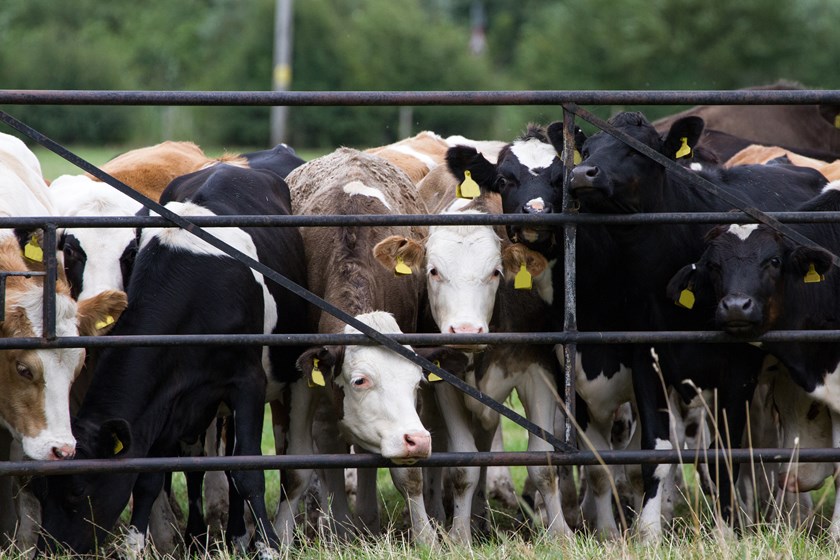
The law imposes strict liability on livestock owners for damage caused by their animals straying onto another’s land. In other words, a claimant does not need to prove negligence or prove they intended to cause damage to their neighbour’s land or crops.
Damage to crops caused by natural occurrences can be more complex. Landowners owe a duty to prevent natural occurrences (case law has considered pheasants and rabbits damaging crops) on their land from causing damage to neighbouring properties. The court must have regard to all the circumstances, including the extent of the foreseeable risk, the available preventive measures, the costs of such measures and the resources of both parties.
Key Takeaway: The strict liability for damage caused by escaped livestock signifies the importance of properly maintaining boundary features. Preventative measures should be considered to prevent natural occurrences damaging a neighbour’s crops.
Neighbour and boundary issues: key legal considerations for landowners and developers
Neighbour-related property issues continue to present practical and legal challenges for landowners, developers and homeowners. Our Property Litigation team has produced a series of short articles examining some of the most common areas of dispute, the principles that govern them and the steps that can reduce risk.
This publication is a general summary of the law. It should not replace legal advice tailored to your specific circumstances.
© Farrer & Co LLP, November 2025